

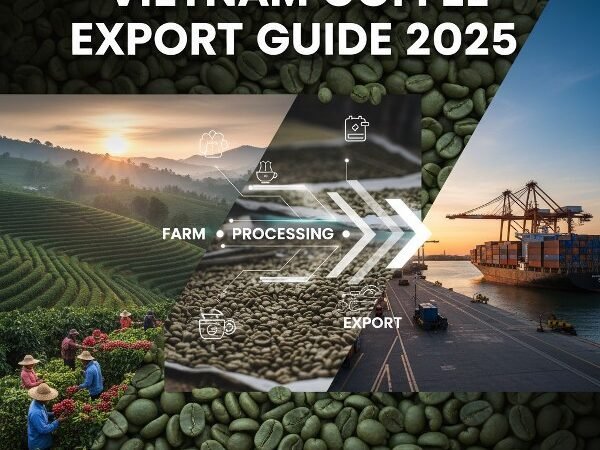
Vietnam is the world’s second-largest coffee exporter and the number one producer of Robusta. With export revenue forecast to surpass US$8 billion in 2025, Vietnamese coffee has become a highly profitable commodity. This guide is your starting point for navigating the export market, understanding compliance, and accessing top-quality Arabica and Robusta beans.
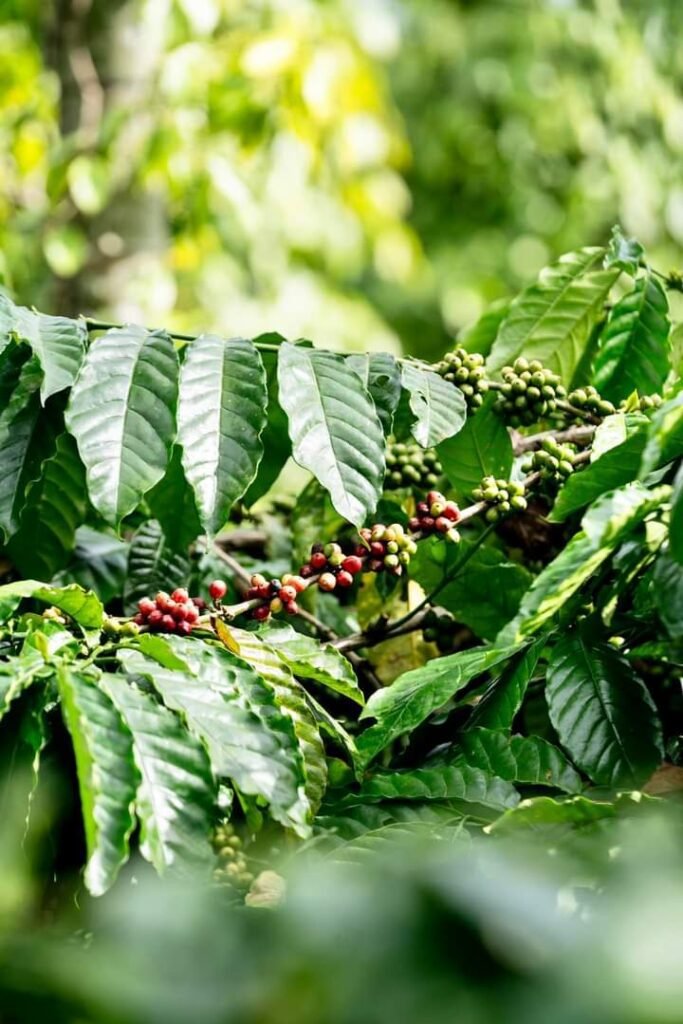
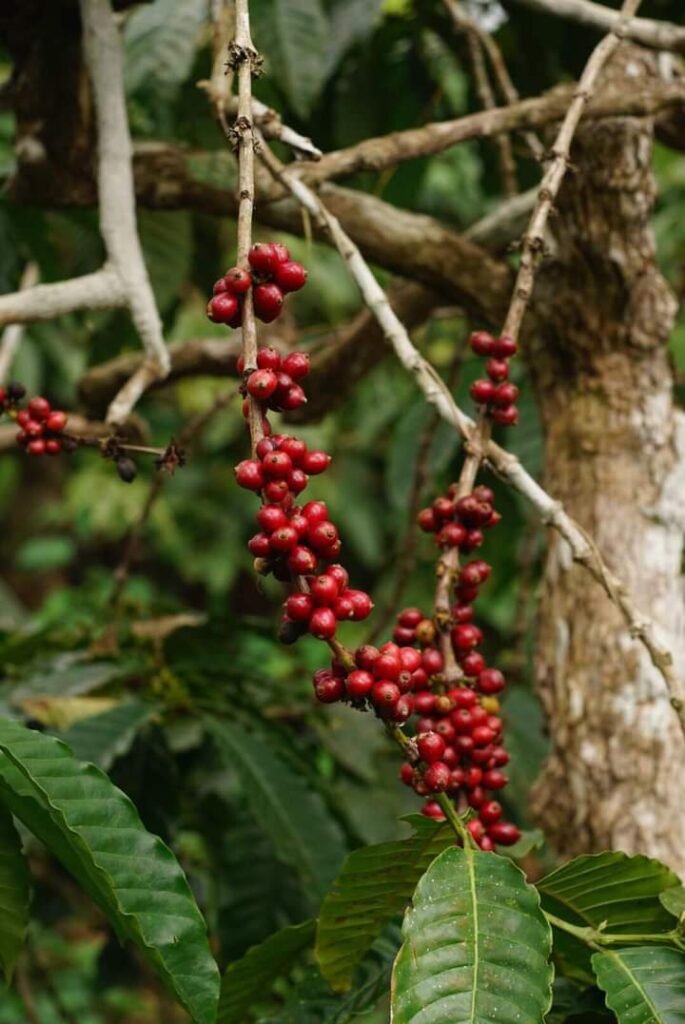
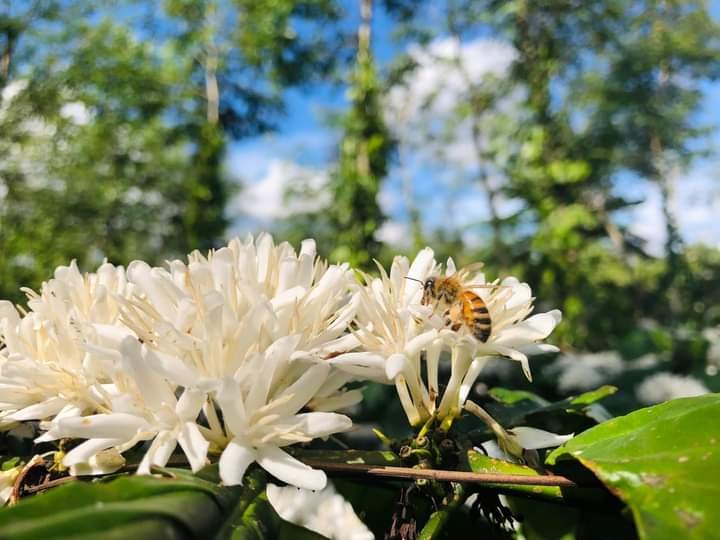
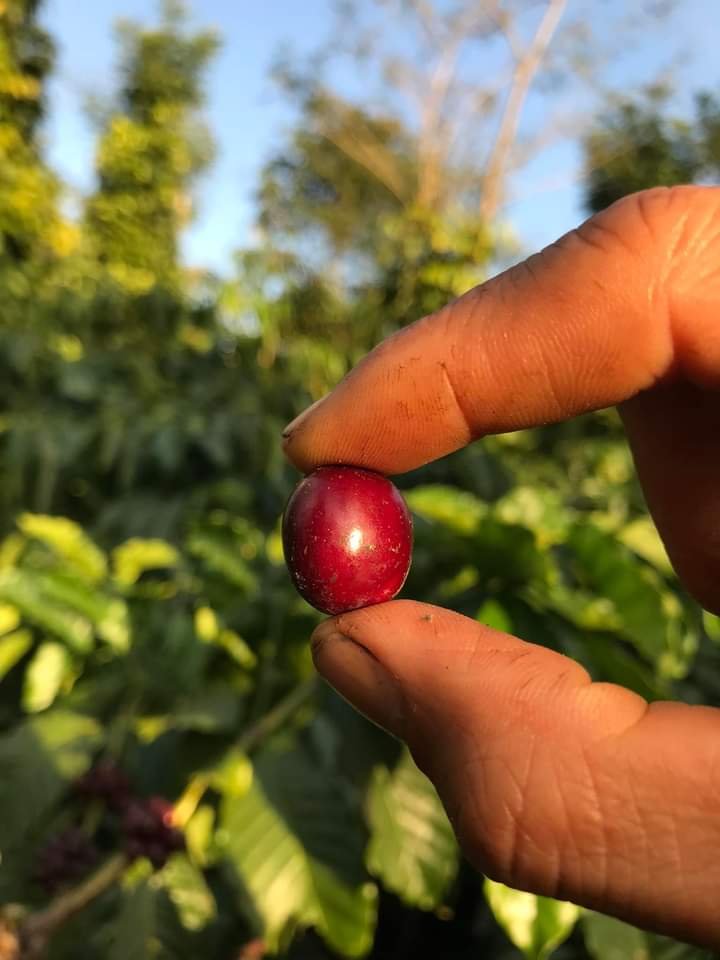
Vietnamese Coffee: Grades and Varietals
Vietnam’s production is dominated by the bold, high-caffeine Robusta (approximately 90–95% of output), favored for espresso blends and instant coffee. High-quality Arabica makes up the rest, often grown in the Central Highlands (Tây Nguyên, Lâm Đồng). Understanding the market starts with defining the product state:
| Product State | Description & Recommended Use |
|---|---|
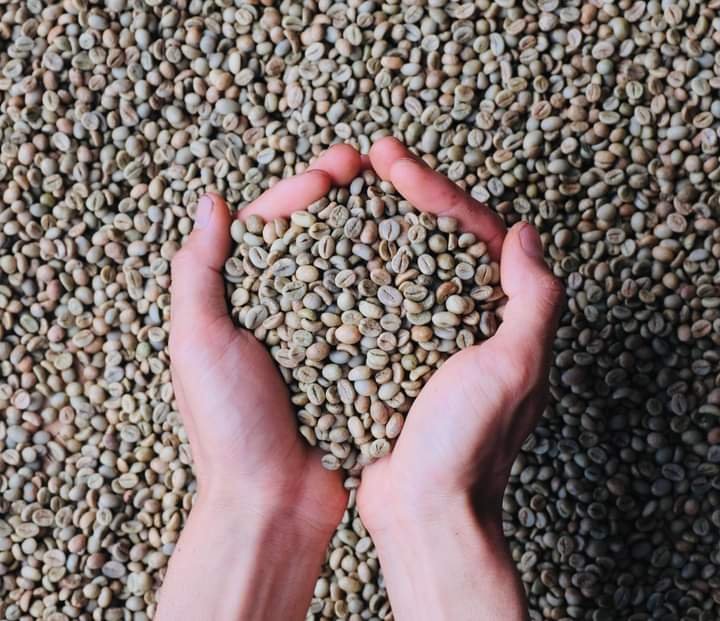
| Green Coffee (Raw/Dry Beans) | Unroasted, raw beans. Essential for importers with their own proprietary roasting and blending processes. Currently a high-value commodity. |
| Roasted Beans (Whole) | Beans roasted to order, suitable for specialty distributors and high-end cafés. Requires strict adherence to specific EU and US food safety standards. |
| Roasted Coffee (Powdered/Ground) | Fine or coarse ground coffee, ready for retail packaging or blending. |
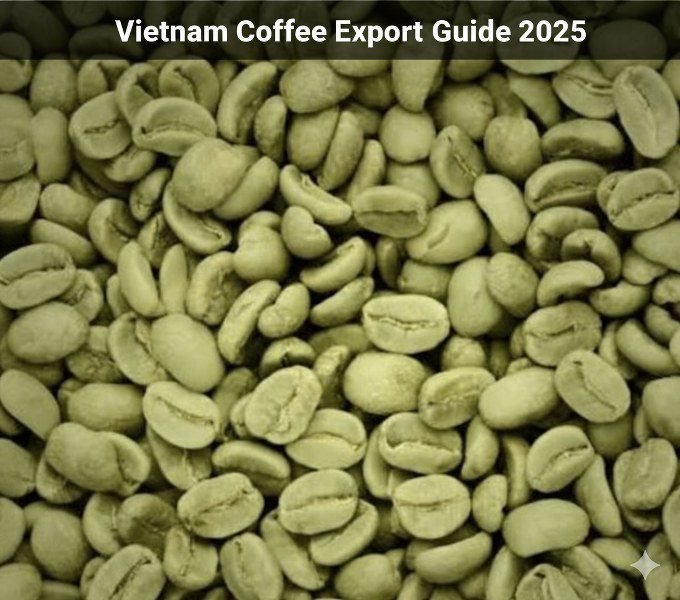
Commercial Services: OEM Packaging & Branding
We offer full OEM (Original Equipment Manufacturer) Packaging services, allowing you to quickly launch your branded products in international markets. This includes labeling, packaging design, and preparing retail-ready units. Contact us for a detailed price list based on your volume, sourcing region, and processing requests.
Navigating Export Compliance
Successful coffee export requires navigating complex international regulations—a high-risk step that requires expert compliance to avoid costly customs delays and fines.
Compliance and Quality Control
- HS Codes: Correctly determining the Harmonized System (HS) code (Chapter 09) is crucial for accurate duties and efficient customs clearance. Incorrect codes lead to significant penalties.
- Documentation: Required documents include the Commercial Invoice, Bill of Lading, Sales Contract, and sometimes a Phytosanitary Certificate (ensuring the product is free of pests and diseases).
- International Standards: Compliance with standards like GlobalG.A.P, HACCP (Hazard Analysis and Critical Control Points), and strict labeling rules is mandatory for entering markets like the EU and US.
- EUDR (Europe Deforestation Regulation): Exporters must provide detailed origin information to prove coffee is not sourced from deforested land after 2020. This documentation is rigorous and non-negotiable for the European market.
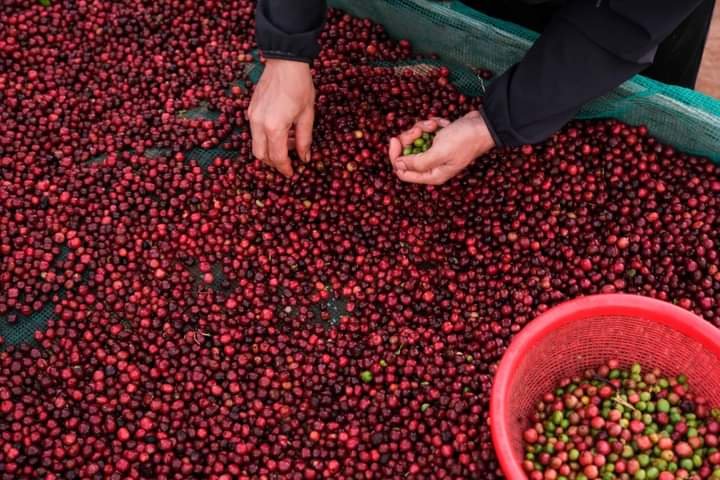
Unlock Your Export Opportunity in Vietnam
Navigating complex export procedures, documentation, and customs laws is high-risk. Don’t let compliance hurdles slow your business launch. Our Business Setup & Investment experts provide the necessary regulatory guidance and local sourcing links you need to secure your supply chain.
For Custom Pricing & Sourcing: Contact us today for a tailored price list and consultation on your specific export needs.
Consult by Phone: +84-90-333-6130 (Whatsapp)
Email hi@saigoncribs.com
For Legal Guidance: Explore our integrated Business Setup & Investment Services to establish your Vietnamese export entity and secure your long-term residency through the TRC:
➡️ Explore Full Business & Residency Service: https://saigoncribs.com/services/secure-your-long-term-future-business-trc-residency-services
Saigon Cribs: Your Seamless Start in Saigon. Your Home, Perfectly Prepared.